Piano Removals in London: What to Expect, How to Prepare, and Why Professional Handling Matters
Moving a piano is not like moving a sofa, a wardrobe, or a standard box of household items. A piano is a precision instrument, a heavy and often awkward piece of furniture, and in many homes it is also a sentimental possession. Whether you own an upright piano in a flat, a grand piano in a townhouse, or a digital piano that still needs careful transport, piano removals in London require skill, planning, and the right equipment. The city itself adds another layer of complexity: narrow staircases, controlled parking zones, busy roads, flats without lifts, and older buildings with tight access can all make piano moving in London far more demanding than a simple local delivery.
If you are searching for piano removals London services, you are likely looking for more than transport. You need reassurance that the instrument will be protected from damage, that the property will remain safe, and that the move will be completed efficiently. Professional piano movers in London understand how to handle delicate finishes, internal mechanisms, and difficult access points without causing unnecessary stress. In a city where time, space, and logistics matter, choosing the right approach to a piano relocation can save both money and worry.
This article explores everything you need to know about piano removals in London, from the different types of pianos and the challenges of moving them to preparation tips, safety considerations, and the value of hiring specialists. Whether you are moving home, relocating a performance instrument, or arranging storage, understanding the process will help you make smarter decisions and avoid costly mistakes.
Why Piano Removals in London Are Different

London is a unique environment for moving large and fragile items. Many buildings across the capital were not designed with modern moving needs in mind, which makes piano removals in London a specialist task. Terraced houses, basement flats, converted apartments, and period properties often have tight entrances, steep stairs, and narrow landings. Even a standard upright piano may need to be manoeuvred through spaces that appear too small at first glance.
Traffic and parking restrictions also play a major role. A team handling piano removals London must plan around congestion, timed parking bays, permit rules, and potential access issues. In some parts of the city, a move may need to be completed during a narrow window to avoid disruption. This is one reason why local expertise matters so much. A mover who knows London can anticipate the practical challenges before they become problems.
Another important factor is the piano itself. Pianos contain hundreds of moving parts and delicate internal components. A sudden jolt, an uneven lift, or exposure to moisture can affect tuning, action, or structural integrity. That is why professional piano removals in London are usually recommended over improvised solutions. A piano is not simply heavy; it is precision-engineered, and it deserves careful treatment at every stage of the move.
Types of Pianos Commonly Moved Across London

Before arranging piano removals in London, it helps to understand the type of piano being moved. Different instruments require different handling methods, different lifting techniques, and sometimes different vehicles. A move that suits one piano may be unsafe for another.
Upright Pianos
Upright pianos are common in homes, schools, and practice rooms. They are usually more compact than grand pianos, but they can still weigh several hundred kilograms. Their height and weight distribution make them awkward to tilt or turn in restricted spaces. During piano removals London, upright pianos often need protective wrapping, skid boards, and careful handling on stairs or thresholds.
Grand and Baby Grand Pianos
Grand pianos are larger, wider, and often more complex to move. In many cases, the legs, lyre, and lid may need to be removed for safe transport. Because of their shape, grand piano removals in London usually require more personnel and a more detailed access plan. Even a baby grand can present significant challenges in a city flat or upper-floor residence.
Digital Pianos and Hybrid Instruments
Digital pianos may be lighter, but they still need proper care. Screens, electrical components, stands, pedals, and control panels can be damaged during transit if not packed securely. While digital units may not need the same level of structural support as acoustic instruments, piano removals in London should still treat them with caution.
The Main Challenges of Piano Moving in London
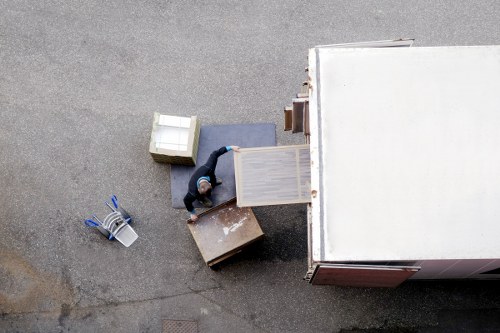
One of the biggest reasons people hire specialists for piano removals in London is that the work involves more than strength. It requires judgement, planning, and experience. A piano mover must consider the route from room to vehicle, the type of flooring, the weather, and the size of the instrument. If any part of the process is overlooked, the risk of damage rises.
Stairs are one of the most common obstacles. Many London homes and buildings have narrow staircases with sharp turns, uneven steps, or low ceilings. In such cases, moving a piano may require protective coverings for the walls and banisters, as well as specialist lifting straps or wheeled equipment. For piano removals London, safe stair negotiation is often the most technically demanding part of the job.
Another issue is access through doorways and hallways. A piano may fit through a room, but not turn the corner needed to exit. Movers often need to measure carefully and decide whether the instrument should be taken out vertically, horizontally, or partially disassembled. This level of planning is a hallmark of professional piano removals in London. It is also what separates a smooth move from a risky one.
Weather and Environmental Conditions
London weather can be unpredictable. Rain, dampness, and temperature changes can affect both the instrument and the surfaces it passes over. Because pianos are sensitive to moisture, movers typically use protective wraps and controlled loading methods. A reputable piano removal process in London should always include safeguarding against weather exposure, especially when there is a long carry between the property and the vehicle.
How Professional Piano Removals in London Usually Work

A well-managed piano removals London job begins long before the move itself. Professional movers typically assess the piano, the property, and the route to determine the safest method. This initial planning stage is essential because every move is slightly different. A ground-floor move with wide access is not the same as a third-floor flat with no lift and a tight landing.
After assessment, the team prepares the piano using protective materials such as blankets, wrapping, foam padding, and corner protection. In many cases, the instrument may be secured on a piano trolley or skid board to allow controlled movement. For grand piano removals in London, some components may be detached and individually wrapped. This reduces the risk of pressure on legs, pedals, and joints during transit.
Once the piano is ready, it is carefully moved out of the property and loaded into a suitable vehicle. A good removal vehicle should offer secure tie-down points and enough space to prevent movement during transit. For piano removals in London, proper loading is just as important as careful lifting, because vibration and shifting inside the vehicle can still cause damage if the instrument is not secured correctly.
Risk Reduction and Safe Handling
Professional movers often use two-person or multi-person lifting teams, depending on the size and weight of the piano. Communication matters throughout the entire move. One misread instruction can cause a scrape against a wall, a strained back, or a dropped corner. That is why experience is invaluable in piano removals London jobs. Experienced movers understand how to balance the instrument, navigate awkward angles, and keep both the piano and property protected.
Preparing for Piano Removals in London

Preparation plays a huge role in the success of piano removals in London. Even if you hire experts, you can still make the move easier by preparing the property and the route in advance. Good preparation can shorten the job, reduce stress, and help prevent delays on moving day.
Start by clearing space around the piano. Remove books, ornaments, music stands, cables, lamps, and nearby furniture. If the piano is in a tight room, create as much open floor space as possible so the movers can position equipment safely. For piano removals London, a clutter-free path is one of the simplest ways to reduce risk.
You should also measure doorways, hallways, stairwells, and any tight corners. If the piano needs to pass through a lift, confirm the internal dimensions and weight capacity in advance. In London buildings with shared entrances or managed access, it may be wise to notify neighbours or building managers before the move. Small preparations like these can prevent major delays.
Practical Preparation Checklist
- Clear the path from the piano to the exit
- Remove fragile items from nearby surfaces
- Check parking or loading restrictions outside
- Measure doorways and stair turns
- Confirm lift availability if applicable
- Protect flooring if needed
- Keep pets and children away during the move
Another important step is to think about where the piano is going. If it is being delivered to a new home, make sure the destination room is ready and accessible. If the instrument is going into storage, confirm that the storage environment is dry and appropriate for a sensitive instrument. Well-organised piano removals in London are always easier when both the collection and delivery points are prepared in advance.
Why Hiring Specialists Is Often the Best Choice
Some people assume they can move a piano with the help of a few friends and a van. In reality, this often creates more danger than savings. A piano is heavy enough to cause injury if lifted incorrectly, and it is valuable enough to justify specialist care. Hiring professionals for piano removals in London usually offers better protection for both the people involved and the instrument itself.
Specialists bring the right tools, including lifting straps, padded covers, piano dollies, ramps, and protective boards. They also bring training and experience. They know how to manage sudden obstacles, awkward angles, and unexpected building features. In a city as varied as London, that practical knowledge is essential. Whether the move is across the road or across the capital, piano removals London done professionally tend to be smoother and safer.
There is also a financial argument. Damaging a piano can be expensive to repair, and in some cases the damage may be permanent. Scratched polish, bent legs, cracked casters, or internal alignment issues can all affect the value and playability of the instrument. When weighed against these risks, professional piano removals in London often prove to be the more sensible investment.
When DIY Might Seem Appealing, and Why It’s Risky
DIY removal may seem cheaper at first, but hidden costs can add up quickly. These may include damage to walls, floors, and the piano itself, as well as the risk of personal injury. A piano move also demands coordination and problem-solving under pressure. For most households, the safer and more reliable route is to use a team experienced in piano removals in London.
Cost Factors for Piano Removals in London
The cost of piano removals in London depends on several factors, and understanding them can help you budget realistically. Not every piano move is priced the same because not every job involves the same level of complexity. A straightforward ground-floor collection will usually cost less than a move involving stairs, long carry distances, or limited parking access.
Common cost factors include the type of piano, the number of movers needed, distance travelled, property access, parking difficulty, and whether extra services are required. For example, dismantling a grand piano, using hoists, or arranging storage transport may increase the cost. These are normal considerations in piano removals London and should be discussed clearly before booking.
It is also worth remembering that the cheapest quote is not always the best option. A lower price may reflect a lack of specialist equipment or experience. When it comes to piano removals in London, value should include reliability, care, and insurance-minded handling, not just the initial number on a quote.
Factors That Often Affect Pricing
- Type and size of piano
- Number of floors involved
- Need for disassembly or reassembly
- Parking and access limitations
- Distance between pickup and delivery
- Time sensitivity of the job
- Additional protection or storage requirements
Storage, Tuning, and Aftercare
Piano removals in London do not always end at delivery. Many piano owners also need storage or post-move care. If a piano is being stored temporarily, the environment should be clean, dry, and stable. Temperature swings and damp conditions can affect the soundboard, keys, and tuning stability. For that reason, proper storage is an important part of the overall moving plan.
After the piano has been moved, it may need time to settle before tuning. This is especially true if it has travelled a significant distance or experienced a temperature change. A freshly relocated piano can sound slightly different until it acclimatises. This is completely normal and another reason why piano removals London should be handled with care from start to finish.
Owners should also inspect the piano after delivery. Check for visible scratches, loose parts, or unusual movement in the pedals or lid. If something does not look right, raise it promptly. Good aftercare supports long-term performance and helps ensure your instrument remains in excellent condition after piano removals in London.
Tips for Long-Term Piano Care After a Move
- Allow the piano to settle before tuning
- Keep it away from radiators and direct sunlight
- Maintain consistent room humidity where possible
- Wipe surfaces gently with suitable materials
- Arrange periodic professional tuning and maintenance
Choosing the Right Piano Removals Service in London
With so many moving companies available, choosing the right provider for piano removals in London can feel overwhelming. A good place to start is by looking for specialists who clearly understand pianos rather than general movers who occasionally transport them. Specialist knowledge, proper equipment, and a careful approach are all essential.
Look for a service that asks questions about your piano, your property, and your access conditions. That is often a sign they take the job seriously. For piano removals London, a thoughtful pre-move assessment is usually a better sign than a quick price estimate with no details. The best providers focus on accuracy, planning, and safety.
You should also check whether the service has experience with different types of pianos and different property layouts across London. Local experience matters because the city is full of unusual access situations. A team that has handled many piano removals in London is more likely to know how to deal with tight stairwells, basement access, conservation-area streets, and apartment buildings with shared entrances.
Questions Worth Asking Before Booking
- Do you specialise in piano moving?
- What equipment do you use for protection and lifting?
- How do you handle stairs and tight access?
- Do you provide secure transport for grand and upright pianos?
- Can you support storage or long-distance moves if needed?
- How do you protect the property during removal?
When these questions are answered clearly, you are more likely to feel confident about the move. That confidence matters, especially when a valuable instrument is involved. Reliable piano removals in London should give you peace of mind, not uncertainty.
Common Mistakes to Avoid During Piano Removals in London
Even well-intentioned moves can go wrong if key details are ignored. One of the most common mistakes is underestimating the piano’s weight and shape. Another is failing to measure access points accurately. With piano removals in London, assumptions can be costly. What looks manageable from one angle may be impossible once the movers reach a staircase or doorway.
Another frequent problem is poor communication. The movers need to know about locked gates, restricted parking, shared corridors, fragile floors, or unusual building rules. If these issues are not mentioned in advance, delays become more likely. Transparent communication is a major part of successful piano removals London.
A final mistake is leaving preparation until the last minute. The more organised the property and the access route, the smoother the move will be. Whether you are moving an upright piano across boroughs or arranging a local transfer, a calm and organised approach is the smartest way to handle piano removals in London.
Quick Mistakes to Avoid
- Using inadequate lifting equipment
- Forgetting to protect floors and walls
- Ignoring weather conditions
- Failing to measure staircases or doorways
- Choosing movers without piano experience
- Leaving parking arrangements unresolved
Final Thoughts on Piano Removals in London
Moving a piano in the capital is a task that deserves attention, care, and specialist handling. From tight staircases and parking restrictions to the instrument’s delicate internal structure, piano removals in London involve many moving parts. The good news is that with proper planning and the right team, the process can be managed efficiently and safely.
Whether you need an upright piano moved from a family home, a grand piano transferred to a performance venue, or a digital piano delivered to a new apartment, the principles remain the same: plan carefully, protect the instrument, and work with professionals who understand the city. The best piano removals London services combine local knowledge with the right equipment and a respectful approach to your property.
If you are preparing for a move, take the time to assess your access points, think about timing, and consider how much risk you are willing to take with a valuable instrument. In many cases, the smartest decision is also the simplest one: contact us today to arrange a professional piano move, or book your service now and ensure your instrument is handled with care from start to finish.